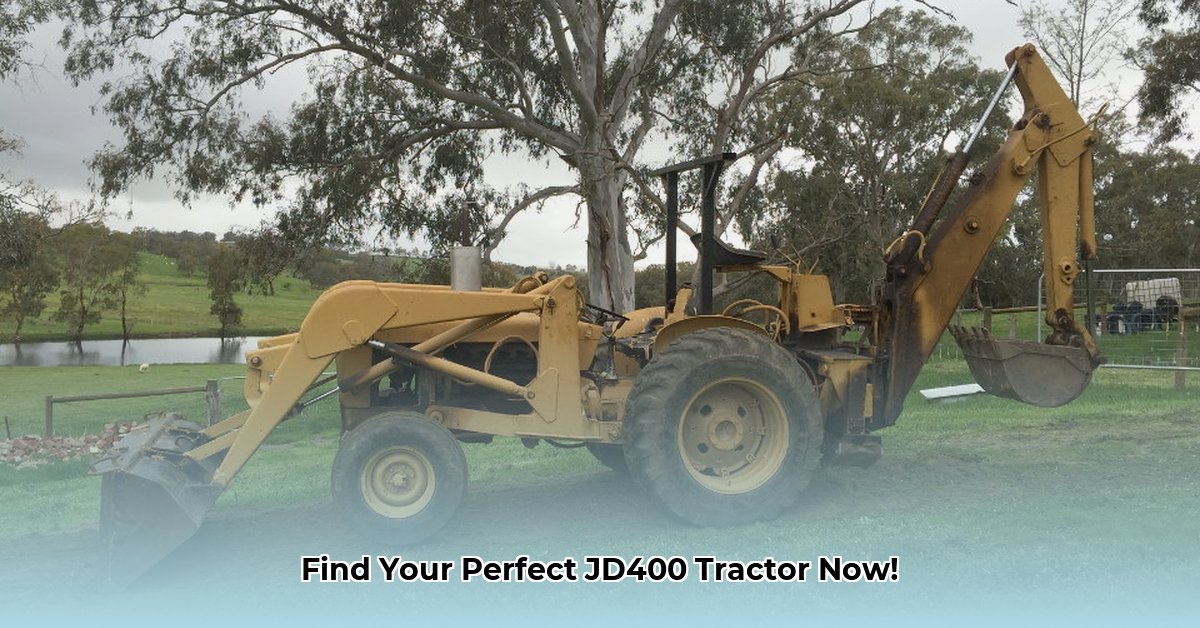
Choosing the right John Deere JD400 tractor can be challenging due to the model's variations and sometimes unclear labeling. This guide helps you navigate the differences and identify your specific model. We'll cover key distinctions between industrial and garden models, providing a step-by-step approach to identification. Whether you're a collector, restoration expert, researcher, or farmer, this guide offers valuable insights.
Industrial Powerhouse vs. Garden Workhorse: Key Differences
The JD400 series encompasses a range of tractors designed for vastly different tasks. The main distinction lies between the larger, industrial models and the smaller garden tractors.
Engine: Industrial models usually featured powerful diesel engines (e.g., around 59 horsepower), built for heavy-duty farm work. Garden tractors typically had smaller gasoline engines (around 20 horsepower), suitable for lighter tasks like lawn maintenance. The type of engine—diesel or gasoline—is a crucial identifier.
Transmission: Industrial models generally used robust manual transmissions, often with power shuttles for easier direction changes. Garden tractors frequently employed simpler hydrostatic transmissions (automatic-like) for easier operation. The transmission type is a significant visual indicator.
Size and Weight: Industrial JD400s are substantially larger and heavier than their garden counterparts. Their size reflects their capability for heavy lifting and demanding field work.
Hydraulics and Attachments: Industrial models often featured more advanced hydraulic systems with greater lifting capacity and broader compatibility with attachments. This reflects their greater versatility in handling various tasks.
Think of it like this: one is a sturdy pickup truck, the other a nimble compact car—both serve different purposes within the same family of vehicles.
Identifying Your JD400: A Step-by-Step Approach
Identifying your specific JD400 model requires a methodical approach. Follow these steps:
Locate the Serial Number: The serial number, typically found on a plate affixed to the tractor's frame, is the most reliable identifier. This number is crucial for accessing detailed information from John Deere archives and online databases.
Examine Physical Characteristics: Carefully inspect the tractor's key features. Note the engine type (diesel or gasoline), engine size and model (check the engine plate), transmission type (manual or hydrostatic), and overall dimensions (length, width, height). Accurate measurements are helpful for comparison.
Consult Online Resources: Utilize online databases and forums dedicated to vintage tractors. Websites such as TractorData.com offer comprehensive information on John Deere models and may aid in identifying your tractor's specifications based on the serial number and physical characteristics. Compare your findings across multiple sources to ensure accuracy.
Consider Expert Consultation: If you encounter difficulty identifying your model, consider seeking assistance from experienced tractor enthusiasts, restoration specialists, or knowledgeable individuals within online collector communities. They can often provide valuable insights based on experience and access to additional resources.
Actionable Advice for Different Stakeholder Groups
The information gleaned from model identification has different implications for various user groups:
Collectors: Focus on authenticity, rarity, and accurate model year verification. Join online collector groups to share information and compare data.
Restoration Experts: Prioritize mechanical condition and parts availability. Detailed documentation of your restoration process is crucial.
Researchers: Focus on gathering data on production dates, model variations, and performance characteristics. Cross-reference information from multiple sources to establish reliable data.
Farmers/Landscapers: Assess the tractor's suitability for intended tasks, reliability, and operational costs. Evaluate the suitability of the JD400 compared to modern alternatives.
Conclusion: Unearthing the JD400 Mystery
Identifying a specific John Deere JD400 model requires careful attention to detail. By combining the serial number with a thorough inspection of physical characteristics and leveraging online resources and expert knowledge, you can unlock the secrets of this versatile tractor. Remember, accurate identification is crucial for both preservation and practical use of this iconic machine. The combination of careful observation and diligent research will lead you to a precise identification of your JD400.